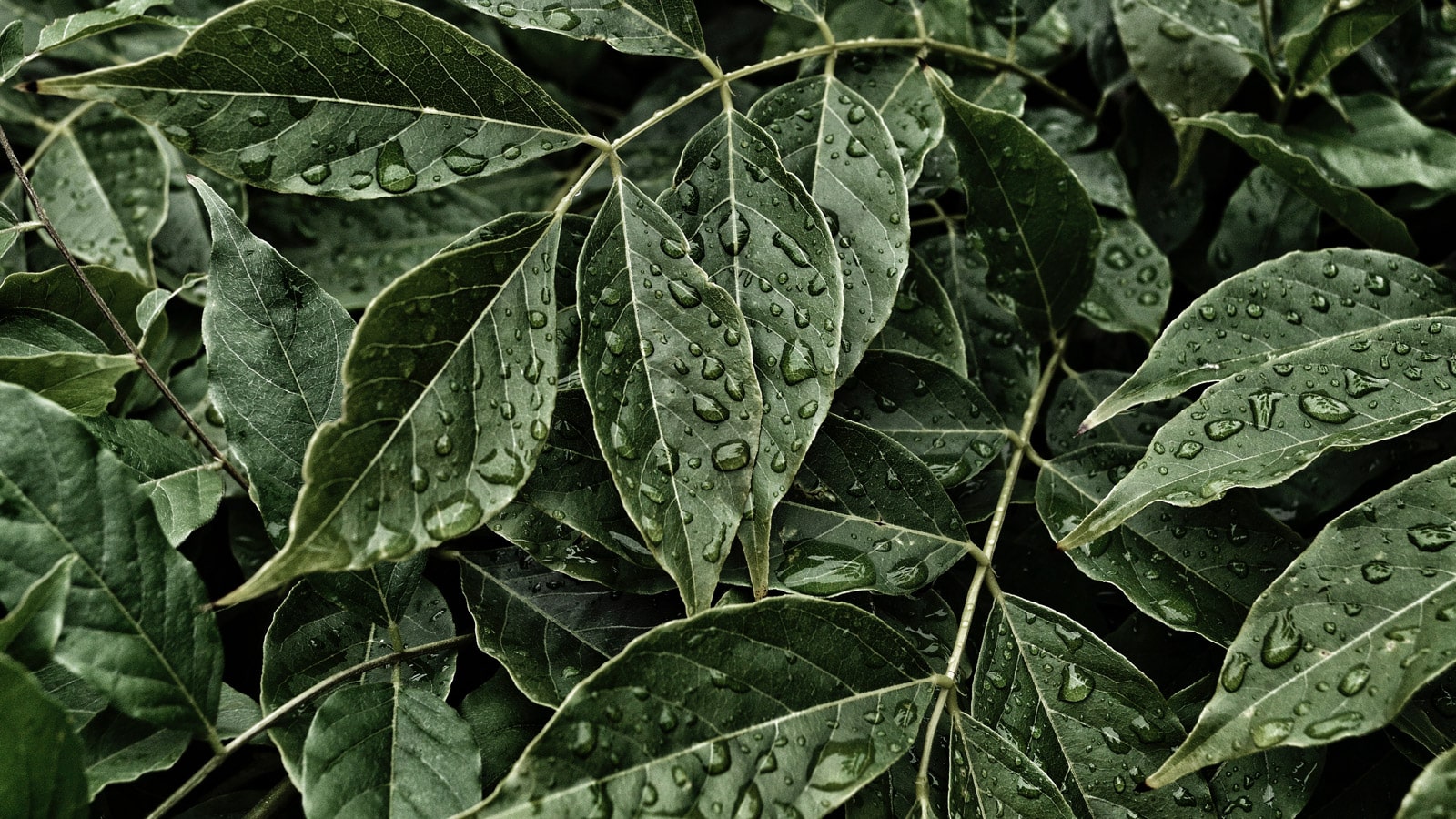

We have been growing our own olives in Italy for a few years now and have been rather successful in producing our own olive oil. Along the way, we have listened and taken a great deal of advise from the local growers, those who know so much more than we do.
There is something to learn at every turn of the olive, so we decided to pass on some of our ever-growing knowledge. Let’s start with those terms that have become ubiquitous with olive oil.
Extra Virgin
What does the the term ‘Extra Virgin‘ mean? Beginning with the term ‘Virgin’. When olives are picked and taken to be pressed, they are crushed to form a ‘mash‘. The oil produced from this ‘First Press‘ is referred to as ‘Extra Virgin‘.
Should the olive mash go through a further pressing, in order to obtain more olive oil, it is often necessary to heat the mash. Also, it will undergo other chemical processes to extract any remaining oil. This will result in an oil that should not be referred to as extra virgin olive oil and an oil much less in quality.
There is also a distinction between the terms Extra Virgin and Virgin. Once the oil has been pressed it is further graded by its particulate and fatty acid content. Extra Virgin olive oil has a fatty acid concentration below .08%.
The term ‘Extra Virgin Olive Oil’, should refer to the first, cold pressed oil extracted which has a fatty acid concentration below 0.08%.
To give you some idea, below is the breakdown of our November 2023 harvest compiled by GeoLabo, Italy, on November 12, 2023.

Our Olive Oil
- Acid content 0.4
- Polyphenols 517
- Peroxides 6
To put this into perspective, the parameters for olive oils according to European standards set out in 2016, are as follows:
DEFINITION
Extra virgin olive oil
Virgin olive oil
Olive oil
ACID
less than 0.8
less than 2
more than 2
PEROXIDES
less than 20
less than 20
–
POLYPHENOLS
more than 500
120 – 220
less than 120
Furthermore, the lab has given us a complete and detailed breakdown of these numbers, including how they are measured and what they mean. We will break that down for you in another article.

Cold Press
In order for olive oil to have the nomenclature ‘Cold Press‘, it is necessary for the olives to be kept at below 25 degrees C even before they are pressed. For example, when we prepare to harvest our olives in the morning, an average daily temperature is recorded by us and the ‘frantioio’, the place where the olives are pressed. Also the elevation at which the olives grow. For our olives picked in 2023 the readings are as follows:
- Elevation: 350 m (1,150 ft)
- Daily average temperature: 23 celcius

The process of cold pressing means that the ease at which the oil is extracted is much more difficult. However, the result is an oil that is more dense.
Our olive oil is harvested as soon as the olives are ready to be picked. These olives are often small but the resulting oil following a cold press, is very concentrated. We choose not to leave the olives on the trees to fill out and become less flavourful.
A good extra virgin olive oil should taste of something and not simply line your mouth with the feel of oil. Afterall, when you drizzle that extra virgin over your food, it should be considered another ingredient since it should have aroma and flavour.
Harvest Dates
It is a good idea to check your bottle of extra virgin olive oil for a harvest date before you commit to purchasing it. Often those oils without harvest dates are a mixture of olives harvested at differing dates, regions and even countries.
Our farmers tell us that if stored under the right conditions, your oil will last up to 3 years following the harvest date. However, as a rule of thumb our Italian farmers and friends wait for a year before starting to consume this seasons oil.
We put our olive oil in to clear bottles and there is a reason for this. First of all, as long as the oil is stored in a cool dark area, there is no reason for it should be in a dark bottle. Secondly, we produce our oil ‘unfiltered’ which means our oil is cloudy. We want you to be able to see all that goodness and have nothing to hide 🙂
How to use Extra Virgin Olive Oil
Once you have established that your chosen extra virgin olive oil, is exactly that, you want to know how make the best of it.
Our recommendation is that you use your extra virgin olive oil in as raw a state as possible. This will ensure that your body can take advantage of all those great phytonutrients and other wonderful goodies within the oil.
A good quality extra virgin olive oil may be the most healthy food you consume. Many of us have become so used to a lower quality of olive oil that we find it takes an adjustment to get used to all that wonderful olive flavor from a good product. We do advise that you taste the olive oil to better understand the aroma and flavor that it will add to your dishes.
Here are a few ways to use your amazing extra virgin olive oil:
- Drizzle over salads
- Drizzle over all hot dishes
- Create wonderful salad dressings – all you need is a good homemade jam, wine vinegar and your extra virgin olive oil
- Use directly on your skin for moisturizing – very little goes a long way
- Take a teaspoon every day, perhaps by adding it to a fruit/vegetable smoothie

Summary
There are so many different olive oils available labelled as extra virgin olive oil. If you are looking to get the best quality, it pays to do your research. Not all olive oils are labelled with their chemical breakdown and not all expensive olive oils are good quality.
In our experience, it pays to be able to go directly to the grower themselves, which is what the Italians do. Search online to find a growers website where more information will be available to you.
The key to choosing a great olive oil is in understanding the provinense. Read the labels and where possible, sample the product.
Unfortunately, due to the amount of olive oil available that is lack-luster, our taste buds are becoming conditioned to accept poor quality goods. This is a shame, because olive farmers take pride in a product that it takes a great deal of work to produce.
Help support the olive farmers by being informed!
Leave a Reply