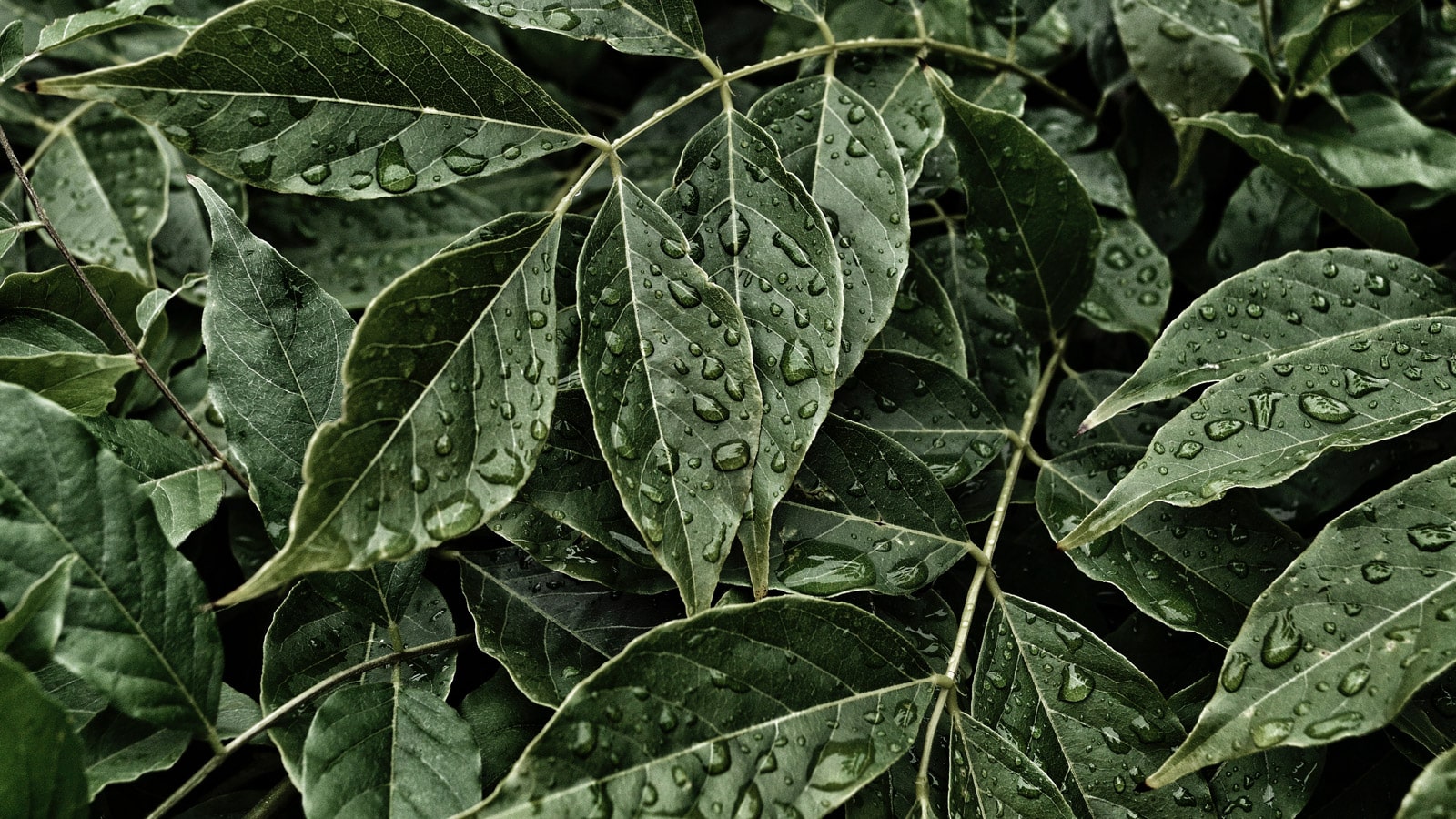

The polyphenols in extra virgin olive oil, are antioxidant bioactive molecules (known as metabolites) and include oleuropein, hydroxtyrosol, oleocanthal and tyrosol. Only extra virgin olive oil retain important polyphenols like oleacein and oleocanthal because it requires less processing to produce.
The polyphenols help to protect the health of the tree as well as having health benefits for us too.
The health benefits of extra virgin olive oil have been widely written about and polyphenols. The polyphenol oleocanthal is found exclusively in extra virgin olive oil, which helps protect the body from cancers, coronary heart disease and inflammation. According to the Official Journal of the European Union, the beneficial effect is obtained with a daily intake of 20 g (1.5 tablespoons) of olive oil.
But don’t rely on extra virgin olive oil alone to get polyphenols. To give you a comparison, here’s a useful list of foods that are high in polyphenols given in mg per 100 g and the most abundant found:
- Cloves: 15,188 mg per 100 g – gallic acid
- 100% cocoa powder: 3,448 mg per 100 g – catechin
- Our unfiltered extra virgin olive oil (2024 harvest): 53 mg per 100 g – olecanthal
- Strawberries: 235 mg per 100 g – proanthocyanidin
- Pecan nuts: 493 mg per 100 g – catechin
- Red onions: 168 mg per 100 g – quercetin

Note that the lab results (2024) for our olive oil is measured in mg per 1000 g. Measured this way, our polyphenol number is 530.
We have researched a number of food lists online as well as articles about polyphenol numbers in olive oil and found a disparity.
In the above list, we have compared olives with olives and given you the number in mg per 100 g, which comes out to 53. This gives you a clearer insight into how other foods compare.
The key point here is that are a variety of different polyphenols present in a range of different foods. It is not the number that is important, it is that they are present at all and there are different types.
By consuming a wide variety of foods that have little to know processing, we are more likely to get the diverse amount of polyphenols that our bodies need.
Under the EU Regulation 432/2012, olive oils with 250 mg/kg of polyphenols or more, are classified as an oil that is high in polyphenols.
The amount of polyphenols in extra virgin olive oil can depend on a number of factors
- Olive variety. Olive varieties are many and varied all over the world. Therefore, polyphenol content will vary between each variety.
- Climate. Since the climate is never the same from one year to the next.
- Environment. Type of soil and aspect.
- The age at which the olives are picked during any particular harvest. For example, we pick our Vallecorsana olives as soon as they are ready. This means that they are not left on the tree to grow bigger, which often means a degradation of quality. Olives that are turning from green to black, have higher polyphenol content.
- The time between harvest and pressing. For example, our olives are picked in the early morning and taken to the press on the same day.
- Method of processing used to extract the oil. Our olives are cold press, which means that the olives have to be between 22 and 25 degrees Celsius, prior to pressing. We don’t but some olive oil producers add 1% of olive leaves, which are higher in polyphenols than the oil, to the olives prior to pressing, in order to increase the number of polyphenols. The affects on the oil are still undergoing study.
To summarize
The health benefits of polyphenols is well recorded. The health benefits of extra virgin olive oil is not only in the different types of polyphenols available, but in a specific polyphenol. Oleocanthal acts as a natural anti-inflammatory and is unique to extra virgin olive oil. It is recommended to achieve a wide range and daily intake of polyphenols for improved health.
If you are wanting to add extra virgin olive oil to your daily diet, we recommend you do your own research:
- Choose extra virgin olive oil from a supplier that you trust
- Be aware that each harvest will produce different polyphenol content
- Choose an oil that has the date of harvest and a polyphenol count on the label
- Choose an oil that has a certified lab report of chemical breakdown
- If possible, taste it before you buy it. Using extra virgin olive oil should not be like taking medicine